Members
have their say

How are you building a sustainable floriculture sector?

The best sustainable innovations come from the floriculture sector itself. Growers are developing smart solutions for their own gardens or greenhouses, and scaling up to share their knowledge with more entrepreneurs. The Sustainability Award brings together the best developments in sustainability each year, the icing on the cake being a prize for the three best ideas. This award was presented to Little Spider, Holla Roses and J&P ten Have in November. How do they continue to work on the future of their sustainable plan? And are they creating new innovations?

MEMBER SPEAKING

Paul van Holstein

Holstein Flowers

Paul van Holstein is commercieel directeur en de derde generatie in het familiebedrijf Holstein Flowers. Innovatie is wat hem betreft geen luxe, maar een absolute must. Wie niet slimmer produceert, delft op een bepaald moment het onderspit.

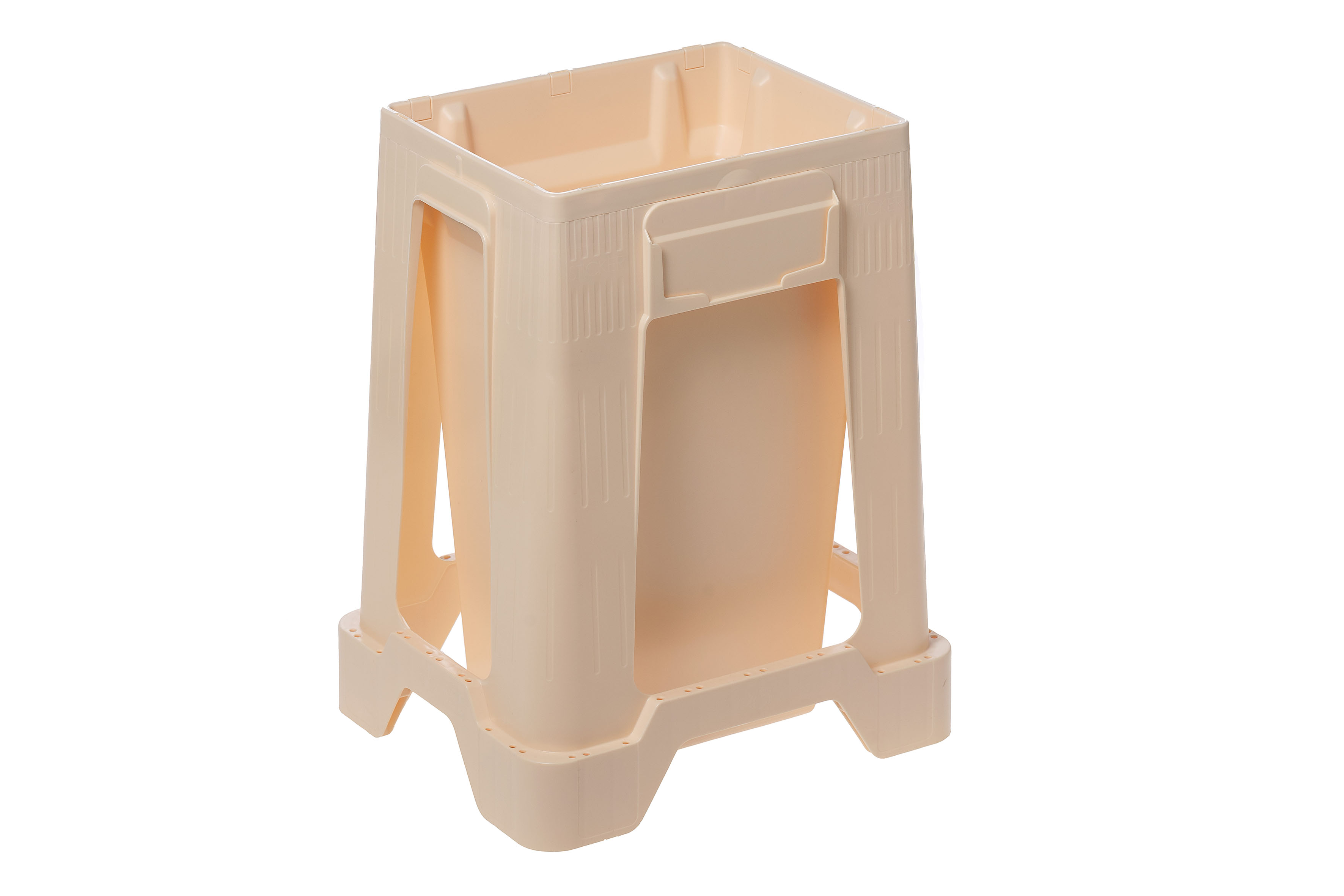
“Wij zijn als bedrijf altijd met innovatie bezig. De reden is simpel: je kunt in deze snel veranderende markt gewoon niet meer stil blijven staan. Hard werken en veel uren maken – zoals mijn vader en ooms altijd deden – is niet meer genoeg om het bedrijf in de lucht te houden. Je moet mee. Dat innovatie niet altijd primair om automatisering draait, lieten we het afgelopen jaar zien. Samen met Royal FloraHolland en andere kwekers ontwikkelden we de nieuwe meermalige bloemenemmer Fc555.

Wij leveren onze bloemen voor een groot deel rechtstreeks aan de klant. Het voordeel is dat we daardoor ook uit eerste hand feedback krijgen. Steeds vaker vroegen klanten of het verpakken duurzamer kon. Met name de kartonnen kragen die we gebruikten, waren een doorn in het oog. Toen hebben we de zaag gezet in bestaande emmers. Zo kwamen we tot het prototype voor de Fc555. Samen met de coöperatie

en onze productgroep ontwikkelden we de emmer verder. Later bleek de emmer ook een oplossing voor andere snijbloemenkwekers. Inmiddels is de Fc555 volop in gebruik. En een mooi bijeffect is dat we door deze versimpelde, uniforme verpakking makkelijker kunnen automatiseren.  

Als je hier over een paar jaar binnenloopt, dan zie je een bloemenfabriek: de verwerking en handling gaat dan vol­automatisch. Het proces daarnaartoe doen we in kleine stappen. We monitoren steeds of een innovatie zich terugbetaalt. Bij de gerberateelt blijven waarschijnlijk altijd wel relatief veel mensenhanden nodig. Maar ook op die medewerkers heeft auto­matisering een positief effect: het zorgt hopelijk voor meer rust en minder belasting tijdens de pieken.

Door al die technologie vergeet je bijna waar het echt om gaat: onze gerbera’s. Ook op dat vlak vernieuwen we. Kijk maar naar onze unieke chocoladekleurige gerbera Chocoloco. Die kwam zomaar ineens op tussen onze andere rassen. Dat past bij de oorsprong van ons bedrijf, waarbij we door zelf te veredelen tot ons unieke assortiment kwamen. Tja, de natuur blijft je verrassen.”

Bloemenemmer
Fc555

MEMBER SPEAKING

Peter Smak

Smak Tulips BV

“Duurzamere alternatieven zijn de meest toekomst­bestendige optie.”

Ermiyas Solomon is operations manager of Holla Roses BV/ Ziway Roses PLC in Ethiopia. His company shows that green waste from roses is not an end point, but a starting point. From this waste stream, the farm produces compost, vermicompost, biogas (methane) and liquid fertiliser.

Ermiyas: "Our idea is always: do what we do as well as possible. We will therefore use the coming period to further improve the reuse of cutting waste at the farm and further streamline our processes. For the most part, this has already worked out very well. I am no longer the only one who understands how it works. Our team can also do it, and even if I am not there for some reason, the process carries on. I'm proud of that.

But I am also always looking one step ahead. For example, we are now researching biochar (organic charcoal). This is a charcoal-like substance that you can use as a soil conditioner, a fertiliser and to purify water.

“Coincidence led to more sustainable cultivation”

At Holla Roses in Ethiopia, every rose gets a second life. Discover how flower cultivation can be not only beautiful, but also sustainably grown.

Alex: "It started more or less by accident. We used growth regulators to even out the growth of our plants. But those chemicals are facing considerable opposition. I thought, 'Surely there must be another way to do this?' Spraying plant protection products could also be better, in my opinion. This is because the spraying robot sprays onto the plants from above. As a result, this has a scattergun effect and, as a result, the sides of the plant receive very little coverage. As an alternative to growth regulators, I experimented with a UVC lamp. At the time, I had no idea what the effect would be; I soon noticed however that treating our plants with this lamp helped them to better retain their shape. Our use of growth regulators has dropped by at least 50% in recent months. A huge drop. And there's more: the lamp also has a fungicidal effect."

MEMBER SPEAKING

Friso van der Kruk

OK Plant